Saturday, January 14, 2017
Start and Stop Music Games to Make Your Day Easier
Need a few tricks for making your day with your toddler easier? Check out the full post here:


Wednesday, August 10, 2016
Music and the Olympics (Music/Movement lesson for preschool and elementary school)
Aly Raisman's floor routine was choreographed to the the Russian Sailors Dance by Reinhold Gliere. I love using this piece of music to move to and explore musical contrasts with when I'm teaching music. The songs theme keeps coming back and is easy to identify, but the style changes. In preschool music classes (and even upper elementary) we have fun identifying the musical contrasts, and discussing and acting out ways to move based on what the music sounds like.
Moving to music with your children will help them develop a good sense of rhythm. Model how to put the beat in your feet. Mirror your child's movement ideas as well.
Click on the link below to see the full lesson.http://www.makemoremusiclittleones.com/makemoremusiclittleones/2016/8/9/music-and-the-olympics-musicmovement-lesson-for-preschool-and-elementary-school
Sunday, August 7, 2016
Babies Have Rhythm!
Today's did you know
Did you know that by 7-9 months old infants can detect differences between duple and triple rhythms? They develop a sense of rhythm from adults speaking to them, and moving with them when they are experiencing music. This is "accelerated by experience!" The more you dance, move, sing, play instruments, and speak to your baby the quicker they develop their sense of rhythm.
From Infants Perception of Rhythmic Patterns
by TONYA R. BERGESON AND SANDRA E. TREHUB
https://www.utm.utoronto.ca/infant-child-centre/sites/files/infant-child-centre/public/shared/sandra-trehub/001.pdf
"Infants’ sense of rhythm may be linked to their body movements. Indeed, stereotypical rhythms of head, arm, chest, and leg movements have been observed in infancy (Pouthas, 1996; Thelen, 1981), and early bipedal kicking and sucking have binary elements (e.g., suction and relaxation). Moreover, infants gradually integrate endogenous and exogenous rhythms (Pouthas, 1996). When presented with a “moving room,” for example, infants adjust their rate of swaying to match the frequency of room movements (Bertenthal, Rose, & Bai, 1997). It is notable that caregivers typically move while singing to their infants, which is consistent with the notion of intrinsic connections between rhythm and movement (Cross, 2001; Merker, 2000). Much of the motion that caregivers provide for infants can be considered binary, as in rocking (e.g., back and forth) or bouncing (e.g., up and down). Recent evidence indicates that 7-month-old infants’ interpretation of an ambiguous drum rhythm is affected by the pattern of bouncing (on every second or third beat) that they experienced while listening (Phillips-Silver & Trainor, 2005). Such connections between rhythmic sound and motion go well beyond caregiver-infant interactions, with music being inseparable from movement in many cultures (Fraisse, 1982; Merker, 2000). Infants are also sensitive to the rhythmic properties of speech. For example, French newborns differentiate English utterances, which are stress-timed, from Japanese utterances, which are timed at the subsyllabic level, or mora (Nazzi, Bertoncini, & Mehler, 1998)."
"the formation of melodic and temporal expectations may follow a similar developmental timetable, which is accelerated by experience, enculturation, and formal music training."
Saturday, August 6, 2016
Babies Can Sing!
"Your baby is wired to notice and follow your voice, when she hears you singing with others, she works to attend to YOUR voice in the mix. As she sorts through all that sound information to find your voice, she is developing listening skills as well as receiving rich musical input." Music Together
Wednesday, February 17, 2016
Successfully Having A Lightsaber Duel to the Beat With Preschoolers
We have been studying the music from Star Wars in preschool. After researching what other people have done and coming up with some fun ideas of my own we had a successful time studying the Imperial March. Click here to see the full post about how to have a successful lightsaber (boomwhacker) duel and learn about steady beat, dynamics, and theme at the same time!

Thursday, February 11, 2016
Learning Your Presidents
Presidents Day is a great time to take on the challenge of learning all of the presidents in order. I'm proud of all of my kids for learning them! Once you know who they are, click on the link below to take a fun quiz. You will also need to use another device (your phone) as the controller for the game.
Players kahoot.it
To see more about what how we studied go to the full post here.
Monday, February 8, 2016
Classical Conversations Cycle 1 Week 15 Building Each Continents Tallest Mountain
We did a fun mountain building event to expand on the Foundations memory work for science. Grab some empty egg cartons, markers, tape, and a large piece of paper and head here for the lesson plan!
Studying Star Wars Music with Preschoolers
I'm having a great time teaching musical concepts such as steady beat, forte, piano, and theme in this unit. click here to read the full post on the new site.
Friday, January 22, 2016
New Site!
Visit my new site at
I have preschool music, Music Together, music lessons, homeschooling, and time out for mom all organized there!
Tuesday, October 27, 2015
Fall Songs With Preschoolers
I love teaching preschool music. The musical activities 3-5 year old kids can accomplish never cease to amaze me. We have been working on some basic, but very important concepts this Fall.

We read the book Gobble Gobble Crash to talk about dynamics. The silly turkeys are loud and soft in the book.

Audiation
Audiation is the ability to hear music, melody and rhythm, in your head. We have been singing Bingo to work on audiation. Each time you sing a verse in Bingo you take away one letter, clap on that one while thinking it in your head, and then sing the remaining letters. The kids are doing great with this! We have used this schoolastic book along with the song.
Dynamics and Tempo
In the Hall of the Mountain King is a fun song to work on dynamics and tempo with. It starts quiet and slow then speeds up and gets louder through out the song. We start each music class by listening to a song then talking about it. That might sound boring, but we act out the song with small movements while we listen and work on steady beat and it's a great experience. Little kids can come up with some great answers about what they hear. If you haven't ever asked your kids about what all they hear when they listen to music you should. It's a fun conversation. We used the song as a play along at the end of class. The students have to play the instruments quietly when the song is quiet and get to get louder and faster with it! Here is a video to enjoy with the song, and a cartoon about the music.
We read the book Gobble Gobble Crash to talk about dynamics. The silly turkeys are loud and soft in the book.

Watching for Cues and Songs With Parts
We worked on a Fall chant that has four different parts. I divided the class into four groups and each group had a part. After they learned to do their part they had to watch me to cue them, and only perform their part when they were cued! They got so good at it that each group got to pick out a non-pitch percussion instrument (shakers, maracas, cymbals, drums) to accompany their part this week.
Steady Beat
We work on keeping a steady beat in our bodies and with instruments all the time. We are also working on keeping a steady beat as a group with an egg shaker passing game. The game will be part of the song I've Been Workin' on the Railroad.
Ukulele
I've been bringing my ukulele to class each week and accompanying at least one song on it. It is a fun, simple instrument to learn. I created a free online class so you can learn to play some preschool songs at home! You can get to the class here.
Classical Conversations Cycle 1 Week 9
New Grammar
Each week we are adding another small piece to our blob maps. Blob maps are called that because the continents look like a blob, not the exact shape. My hope for the students at the Journeyman level is to get the blob shape continents in the correct places based on latitude and longitude. This is a great map to let them look at while they draw freehand.

Go back to weeks 1-4 for videos of how to blob.
Geography - Eastern Asia. There are some great songs on CCC for geography for cycle one. I play all of the weeks in a row and the kids see how fast they can find the places.

Math - This week we are skip counting by 15's. There is a pattern in the ones place 5,0,5,0,5,0, etc. That pattern helps me multiply by 15!
History - Confucius. If you type Confucius into Pinterest you find all of the things he said.

You can download a FREE powerpoint with sayings by Confucius here. Then choose to write about one or illustrate one.
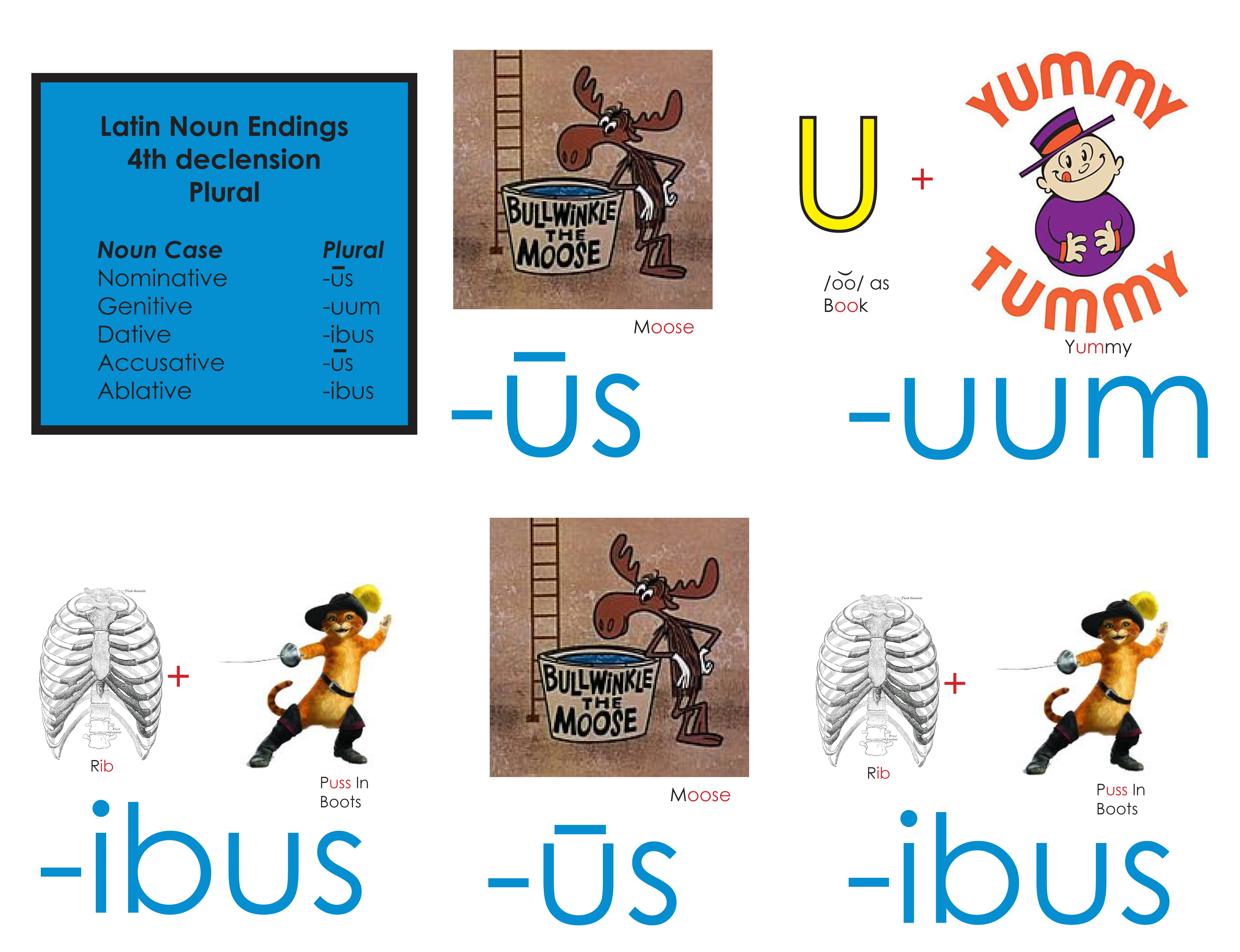
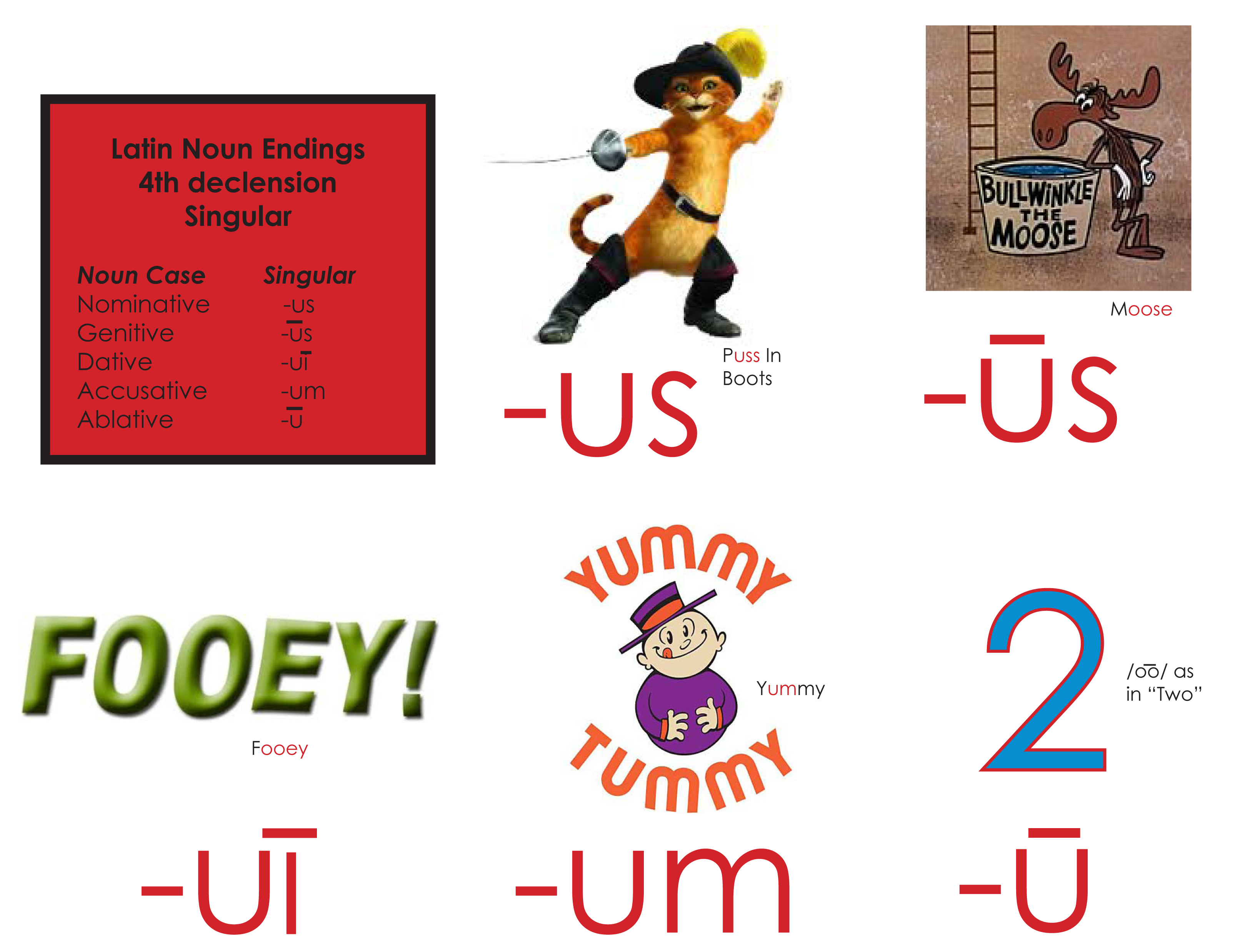
Latin - Keep memorizing those declensions! I printed out two of each chart for my kids. One chart I cut into pieces and they have to match it to the full page while saying them for review.
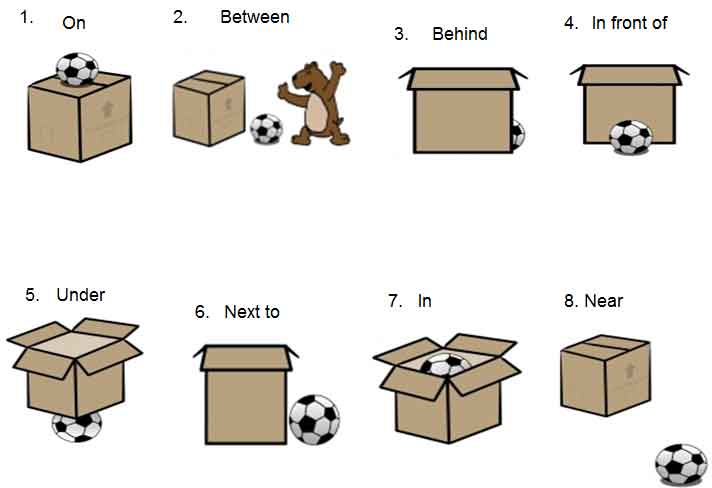
English - There are so many fun ways to work on prepositions! Go to the park and act them out, make a preposition picture book, just act them out with a chair. I think we will try a box and ball this week.
Science - Parts of a plant
We began this activity in class as a way to review new grammar, and to study flowers for science (it was raining to so week 9's nature walk got switched with week 10). You can find how to do the full activity here.

If you go ahead in new grammar you can get great information for inside the book. The CC Science cards, or the science snippets on the app or tutorials also have great information for weeks 9-11 that can help you finish this project.
Music
I adapted the Recorder Karate curriculum for D tin whistle for my class. It works really well, the only difference from soprano recorder is a few fingerings. I also created an online class to help the students out. You can get to it here.
.JPG)
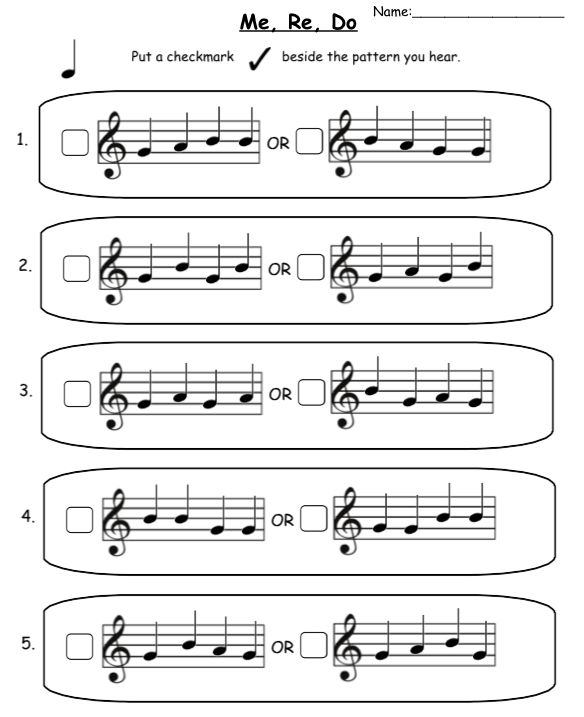
We reviewed what a staff is, note names, and how to draw a treble clef. Then we added a 4/4 time signature and filled measures with different combinations of notes that add up to four beats together.
After that we did a quiz for fun to see how well the kids could identify B, A, and G patterns with their ears! You can get the worksheet here.
Tuesday, October 20, 2015
Music Together Classes Fiddle Collection - October
We are 6 weeks through our nine week fall session of Music Together and I love watching the kids, and the adults, accomplish new musical goals.
For the play along we explored dynamics and tempo changes with In the Hall of the Mountain King. We also played instruments to Ghost Busters.
We have been working on singing Apples and Cherries as a round. We began by each group singing one flavor of ice cream as a repeated vocal ostinato. When we put all of the groups together it created harmony! Singing in a round does the same thing. It gives your children wonderful harmony to hear in a simple song.
We sang a drone on D and A along with the song Bella Boya. Bella Boya is a complex little mixed meter song. I am very pleased at how all of the classes have learned to sing the song, different parts, and play the clapping game while you sing. It is great for little kids to see adults and bigger kids working together to create music.
This is also a song that is fun to play on the soprano ukulele. My kids enjoyed learning how. You can learn how by clicking here and joining the Play Soprano Ukulele with the Fiddle collection group.
For our free dances we danced along with the different parts to Lauren's Waltz, the play along from the Fiddle Collection. We also did the Monster Mash!
For the play along we explored dynamics and tempo changes with In the Hall of the Mountain King. We also played instruments to Ghost Busters.
Classical Conversations Cycle 1 Weeks 6 and 7
Some weeks there is just not enough time to add anything extra. The great part about CC Foundations is that if you are memorizing your CC work, and doing your math and English that is enough!
This is our second time to go through Cycle 1. The first time through we were brand new to CC and still getting a feel for homeschooling, and what we were suppose to be doing. It is a whole new world the second time through. The kids are considering working toward memory masters (memorizing all 7 subject for all 24 weeks).
How we are preparing for Memory Masters:
(We stole all of these ideas from other smart mommies!)
*We are listening to all of the weeks already. I found all of the audio I wanted on CC Connected and made my playlist by subject for all 24 weeks. We will listen to 24 weeks of one of the subjects each day. My kids favorite songs are the geography songs.
*Each of my kids has a note card box for review cards. My third grader has to copy the review cards and make her own, my second grader is using the premade cards. Cards they need to work on go in the front of a divider and cards that are mastered go behind it.
*We are tracing our maps a lot! I love the CC geography trivium tables. It's well worth your $10! You can trace on them with dry erase markers and they are easy to put in your backpack on the go. We also tape tracing paper over the maps for review.
I'm sure there are more wonderful ways to study for memory masters, but this is what we have come up with so far and I am pleased with it.
This is our second time to go through Cycle 1. The first time through we were brand new to CC and still getting a feel for homeschooling, and what we were suppose to be doing. It is a whole new world the second time through. The kids are considering working toward memory masters (memorizing all 7 subject for all 24 weeks).
How we are preparing for Memory Masters:
(We stole all of these ideas from other smart mommies!)
*We are listening to all of the weeks already. I found all of the audio I wanted on CC Connected and made my playlist by subject for all 24 weeks. We will listen to 24 weeks of one of the subjects each day. My kids favorite songs are the geography songs.
*Each of my kids has a note card box for review cards. My third grader has to copy the review cards and make her own, my second grader is using the premade cards. Cards they need to work on go in the front of a divider and cards that are mastered go behind it.
*We are tracing our maps a lot! I love the CC geography trivium tables. It's well worth your $10! You can trace on them with dry erase markers and they are easy to put in your backpack on the go. We also tape tracing paper over the maps for review.
I'm sure there are more wonderful ways to study for memory masters, but this is what we have come up with so far and I am pleased with it.
Monday, September 28, 2015
Fall Music Together Week 3
It's always a joy to get to make music with the children and parents in my classes. Last week and this week we sang a song called Can You Do This? The song is in Lydian which might make it sound a little different To you. If you want to play around with the Lydian mode at home you can play from F to F on a piano or keyboard using all white keys.
In one class I had the chance to point out how kids feel the rhythm in their whole bodies, and we can help them match the beat of the song by showing the beat in our whole body as well. adults often stop feeling and expressing music in their whole body. If you watch a toddler they feel the music from their head to their toes. Sometimes the trick is just figuring out how they are experiencing the music and how to help them learn the best for the stage of life they are in.

Last week we sang Apples and Cheries with Ice Cream flavored. Each part of the room got one flavor to sing over and over again. If you haven't tried this along with the CD yet you should. Pick one flavor (one phrase) and see if you can stay on that part during the whole song. We are building up to singing the song in a round.
This week we moved to Los Fandangos. There is a clapping part that goes along with the song. Listen for it on your CD and look for it in the songbook.
This collection also has a lot of call and response songs. Use these to your advantage during the week. They can be fun in the car. Songs like Can You Do This are great for directing you kids to do things. I can wash my hands, you can wash your hands, I can dry them off, you can dry them off. I can hold your hand, you can hold my hand, I can keep you safe, you can keep me safe.
The only song from outside the Fiddle collection was the play along. It was This Little Light of Mine by the Chris Barber Jazz Band. Here is the link to get it.

In one class I had the chance to point out how kids feel the rhythm in their whole bodies, and we can help them match the beat of the song by showing the beat in our whole body as well. adults often stop feeling and expressing music in their whole body. If you watch a toddler they feel the music from their head to their toes. Sometimes the trick is just figuring out how they are experiencing the music and how to help them learn the best for the stage of life they are in.
Last week we sang Apples and Cheries with Ice Cream flavored. Each part of the room got one flavor to sing over and over again. If you haven't tried this along with the CD yet you should. Pick one flavor (one phrase) and see if you can stay on that part during the whole song. We are building up to singing the song in a round.
This week we moved to Los Fandangos. There is a clapping part that goes along with the song. Listen for it on your CD and look for it in the songbook.
This collection also has a lot of call and response songs. Use these to your advantage during the week. They can be fun in the car. Songs like Can You Do This are great for directing you kids to do things. I can wash my hands, you can wash your hands, I can dry them off, you can dry them off. I can hold your hand, you can hold my hand, I can keep you safe, you can keep me safe.
The only song from outside the Fiddle collection was the play along. It was This Little Light of Mine by the Chris Barber Jazz Band. Here is the link to get it.
Sunday, September 20, 2015
Classical Conversations Cycle 1 Week 5
History
Some fun activities for at home this week
Games about the Roman Empire and the split of Rome
http://www.schoolsliaison.org.uk/kids/preload.htm
http://ccingitonedayatatime.blogspot.com/2012/09/starringall-thumbs.html

Geography
This weeks geography is the Egyptian Empire. Here is a fun way to combine art and geography!
Build the Egyptian empire out of sugar cubes, construction paper, and straws

We enjoy the Magic Treehouse books. There is a fiction and nonfiction book about Egypt
Science
I like these sorting cards. A simple sorting activity might be fun for all of the kids this week.

Science Experiment
Here is a video of this weeks science experiment. Watch it with your kids after our school day and see what they remember.
http://imaginationstationtoledo.org/content/2011/04/how-to-make-a-naked-egg/
http://imaginationstationtoledo.org/content/2011/04/how-to-make-a-naked-egg/
Blobbing
It's finally time to add the continents! This week we will practice tracing North America. Next week we will add it to our blob map.
Monday, September 14, 2015
Fall Music Together Has Begun
We are off to a fantastic start for this session of Music Together! Thank you to all of the parents who sang, danced, and played instruments with their kids today. You all did such a wonderful job right from the start. When you model musical behavior you help your kids learn to be musical. It doesn't matter if you always sing on pitch or keep the right beat. If you are having a good time making music your kids will learn to enjoy music. By being exposed to a community of music makers in a Music Together class they will learn to sing in tune and keep a steady beat.
Today I shared with you that I am going to play a new song on the ukulele each week in class. The ukulele is a great instrument to enjoy playing with your child at home. It's also a fun first instrument for kids who are a little older. Because it is small it is easy to put your fingers down for the notes and chords. I have started basic ukulele tutorials for you so you can learn to play at home. You can find the tutorials here
http://me-and-my-purple-ukulele.thinkific.com/
I played the Hello Song and I've Got the Rhythm In My Head on the ukulele in class today. I've Got the Rhythm in My Head only has one chord! It's so easy to play with your little one at home. You can hold down the two fingers needed for an F chord and let your child strum. If your child is ready to try putting their fingers on the strings this is an easy place for them to start!
The only song we did that is outside the collection today was the Freeze Dance by the Fresh Beat Band.
Saturday, September 12, 2015
It's Time To Make Music!
The Fall Music Together session finally starts here Monday! Music Classes at Journey Montessori will start with regularity now that we are past Labor Day as well. I have enjoyed a little break but I'm thrilled to start classes this week. All of the Music Together teachers in Charlotte get together before each new session to share awesome teaching ideas. Here's a little video to enjoy before coming to class this week!
Friday, September 11, 2015
Fun Learning About the Greek gods - Percy Jackson Inspired - CC Week 3
We had a great time learning about the Greek gods with some friends today. The kids are learning the names of prominent Greek and Roman gods this week for school. I found several posts about Percy Jackson books, and parties that were inspired by the books, and decided to have our own fun.


We started learning by going on a hunt for 20 different gods and goddesses. Each poster has a QR code on it. When you scan it you find out the name of the god or goddess. You can get them here.


Here is what we did.


After working hard it was time for a game. We adapted the Mr. Fox game to be a Zeus and Hera game. Whoever was Zeus or Hera went to the top of the hill and turned their back so they couldn't see everyone. They then got to tell the mortals how many steps to take. The mortals job was to go as quietly as possible so they could sneak by. When Zeus or Hera thought they were getting close they yelled, "Zeus is coming down the mountain!" and turned around and chased them. Whoever they tagged became Zeus or Hera next.

After getting some energy out it was time for a quick lesson. We used the CC timeline cards that applied to the gods. We sang the timeline song and stopped each time we got to one of the timeline cards listed and talked about it briefly. We looked at the map as we discussed Greece and Rome being established and how to gods names changed from Greek to Roman when Rome defeated Greece.


Next it was time for shield making! We used cake rounds for the shields and duck tape for the handle on the back. If you use a coupon at Michaels you can get a good deal on cake rounds.


Once the shields were made it was time to talk about the god of war and get ready for battle. Greece and Rome went war in the garage. Both sides were armed with their shields and pool noodle swords. To win the battle you had to have the least amount of balloons on your side at the end.

Thursday, September 10, 2015
What Are the Five Kingdoms of Living Things?
We enjoyed a fun review lesson yesterday about the kingdoms of living things. This collection of science lessons goes along with the Classical Conversations curriculum. Each lesson is short and ties into the Bible. Our favorite part of yesterdays lesson was drawing our own pizzas. Did you know that you can make a pizza that has four of the five kingdoms on it? Do you know what they are? What would you need on a pizza to represent four of the five kingdoms?


Wednesday, September 9, 2015
Classical Conversations Cycle 1 Week 4
New Grammar
We are going to keep new grammar simple. The goal is to be exposed to the material, not master it. Mastering it should happen at home.
The review dice with movements and tone of voice are a great way to spice up new grammar, but still keep it simple and to the point!
https://halfahundredacrewood.files.wordpress.com/2011/12/ccreviewdice.pdf


The review dice with movements and tone of voice are a great way to spice up new grammar, but still keep it simple and to the point!
https://halfahundredacrewood.files.wordpress.com/2011/12/ccreviewdice.pdf
You can look back to the other weeks on the blog for ways to spice up learning prepositions, plant cells, and Latin noun endings.
We will expand on the Seven Wonders of the Ancient World at home this week with some fun coloring maps and model building.

Art
Here are a few fun ideas for ways to do abstract art this week.

http://www.happinessishomemade.net/2014/03/17/kids-homeschool-art-lesson-piet-mondrian/

http://greenbayartroom.blogspot.com/2011/10/kandinsky-trees-1st-grade.html

Science
This week we are talking about water pollution. Be careful not to put too much food coloring in the water. It really takes a lot of water to undo to pollution (food coloring). We will go over the scientific method again. There are some great worksheets on CCC for tutors and parents.
Here is a fun water quiz for at home.
This activity could be adapted at home to talk about water pollution too.
http://www.filthwizardry.com/2009/07/aluminium-foil-river.html

Presentations
We are still working on organizing presentations this week. Each student still gets 3 minutes to talk. They are getting better at this time frame. In addition to organization we are going to work on eye contact. Go back and watch your video from last week (I record the students each week so they can go back and watch themselves and share it with their families) did you look at your audience? Here's this weeks fun video. Kid President doesn't look at his notes on the board. He knows what he is going to say and he looks at the audience (or he has something he is reading by the camera).
Blobbing
We are reviewing for blobbing this week. Look back to week 3 for a video. We have the compass rose, Equator, Prime Meridian, Tropics, Arctic and Antarctic Circles on our blob maps now.
Subscribe to:
Posts (Atom)